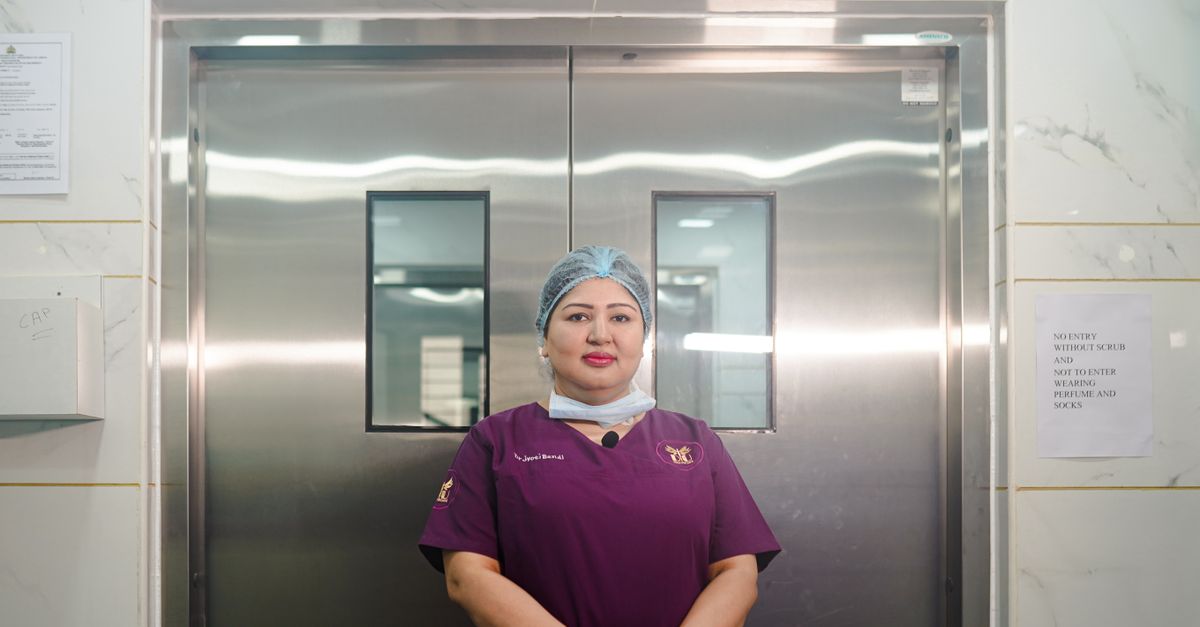
Cosmetic plastic surgery can produce meaningful improvements in appearance and self-confidence, but realistic expectations and thorough preparation are essential for a positive experience. Patients who take the time to understand the full scope of a planned procedure, the recovery process, and the factors that influence outcomes are consistently more satisfied than those who proceed without adequate preparation.
Board-certified plastic surgeons with extensive training and experience provide patients with the detailed, honest consultation needed to make informed decisions. Dr. Sadrian Plastic Surgery offers comprehensive surgical and non-surgical cosmetic procedures with a focus on patient education, natural-looking outcomes, and individualized care tailored to each patient's specific goals and anatomy.
The Consultation: Where Every Journey Starts
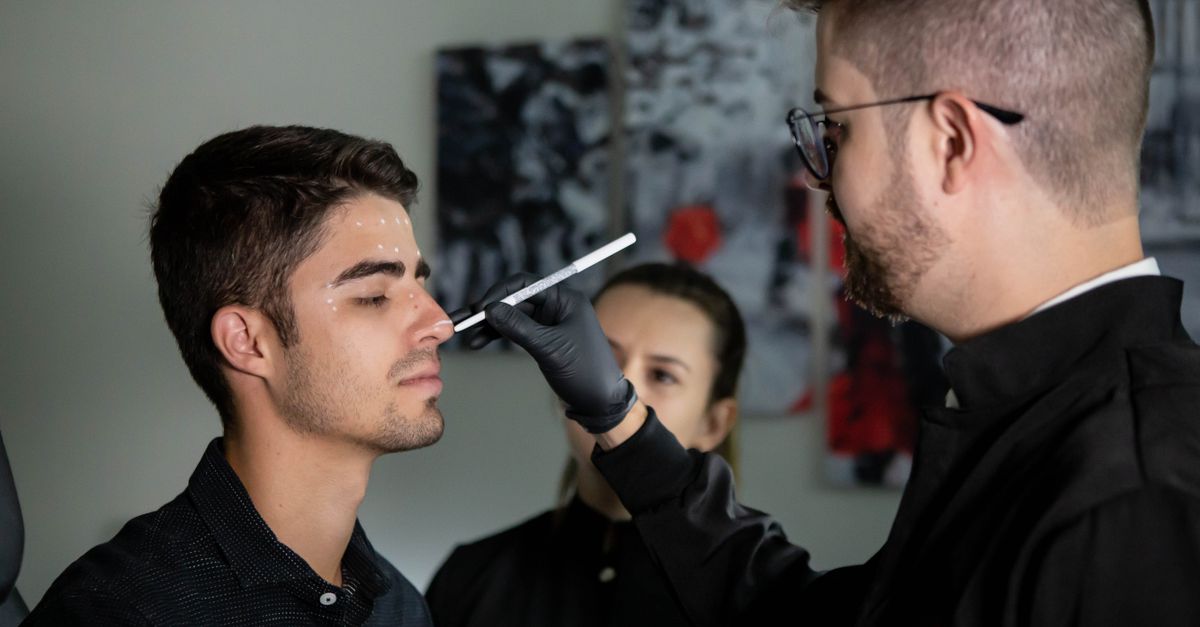
A thorough consultation with a board-certified plastic surgeon is the essential first step before any cosmetic procedure. During the consultation, the surgeon evaluates the patient's anatomy, discusses their goals, reviews their medical history, and explains which procedures are most appropriate for achieving the desired outcome. High-quality consultations involve honest discussion of realistic results, potential risks, and what recovery will entail.
Patients should feel empowered to ask detailed questions during this appointment. How many procedures of this type has the surgeon performed? What does the recovery look like in terms of downtime, activity restrictions, and typical discomfort level? What are the specific risks associated with this procedure and this patient's anatomy? Are computer-generated simulations of potential outcomes available to help set expectations?
Common Surgical Procedures and Their Goals
Rhinoplasty (Nose Reshaping)
Rhinoplasty is one of the most technically demanding procedures in cosmetic surgery. It can address the size and shape of the nose, correct asymmetry, improve breathing function, and refine the profile. Because the nose is central to facial balance, small changes can have significant aesthetic impact. Recovery from rhinoplasty typically involves two to three weeks of visible bruising and swelling, with final results not fully apparent for up to a year as residual swelling gradually resolves.
Facelift
A facelift (rhytidectomy) addresses laxity of the facial skin and underlying tissues that develops with age, addressing jowling, deepened nasolabial folds, and loss of jaw definition. Modern facelift techniques aim for natural, refreshed results rather than the overtight appearance associated with older methods. Recovery involves two to three weeks before returning to social activities and several months before the full result is visible.
Breast Augmentation
Breast augmentation uses implants or fat transfer to increase breast volume and improve symmetry. Decisions about implant type (saline versus silicone), implant size and profile, and incision placement should be made collaboratively with the surgeon based on the patient's goals and anatomy. Recovery from breast augmentation typically requires one to two weeks of reduced activity.
Liposuction
Liposuction permanently removes localized fat deposits that resist diet and exercise. It is best suited for body contouring in patients who are near their target weight, not as a weight loss tool. Recovery involves wearing a compression garment for several weeks and avoiding strenuous activity. Final results are visible after several months as residual swelling resolves.
Blepharoplasty (Eyelid Surgery)
Blepharoplasty removes excess skin and fat from the upper and/or lower eyelids to address hooding, puffiness, and the tired appearance associated with eyelid aging. Recovery is relatively quick compared to other facial surgeries, with most patients presentable in public within one to two weeks.
Non-Surgical Procedures
Not every cosmetic concern requires surgery. Non-surgical options including botulinum toxin injections, dermal fillers, chemical peels, and laser treatments can address early signs of aging, improve skin texture, and restore facial volume without downtime. These treatments are most appropriate for patients in the earlier stages of aging or for those who want to maintain surgical results between procedures.
Choosing a Board-Certified Surgeon
Board certification from the American Board of Plastic Surgery (ABPS) confirms that a surgeon has completed specific training requirements, passed rigorous examinations, and demonstrated competency in plastic and reconstructive surgery. Patients should verify board certification independently rather than relying on the surgeon's self-description.
Beyond credentials, patients benefit from evaluating before-and-after photographs of actual patients treated by the surgeon for the same procedure they are considering, reading verified patient reviews, and trusting their impression of the consultation interaction. Surgery is a partnership between patient and surgeon, and comfort with the communication style and philosophy of the practice matters.
Patients seeking consultations with a board-certified surgeon for facial, body, or breast procedures can explore the full range of offerings and patient education resources at Dr. Sadrian Plastic Surgery's procedures page to understand what each procedure involves before scheduling a consultation.
Conclusion
Cosmetic plastic surgery at its best improves quality of life and self-confidence through procedures that are well-matched to patient goals and performed by skilled, certified surgeons. Realistic expectations, thorough preparation, and working with a surgeon who prioritizes patient education and natural results are the foundations of a positive surgical experience.