
The Ultimate Guide to Commercial Kitchen Hood Cleaning: Safety, Compliance & Your Business
Is your commercial kitchen truly safe and compliant? Running a busy kitchen means juggling many tasks. From managing staff to perfecting dishes, there’s always something to do. But one crucial task often gets overlooked: proper commercial kitchen hood cleaning.
Neglecting your kitchen exhaust system can lead to serious problems. It’s not just about a clean appearance; it’s about preventing dangerous fires and meeting strict safety rules. Regular professional commercial kitchen hood cleaning protects your investment, your employees, and your customers. It gives you peace of mind that your business is operating safely and within the law.
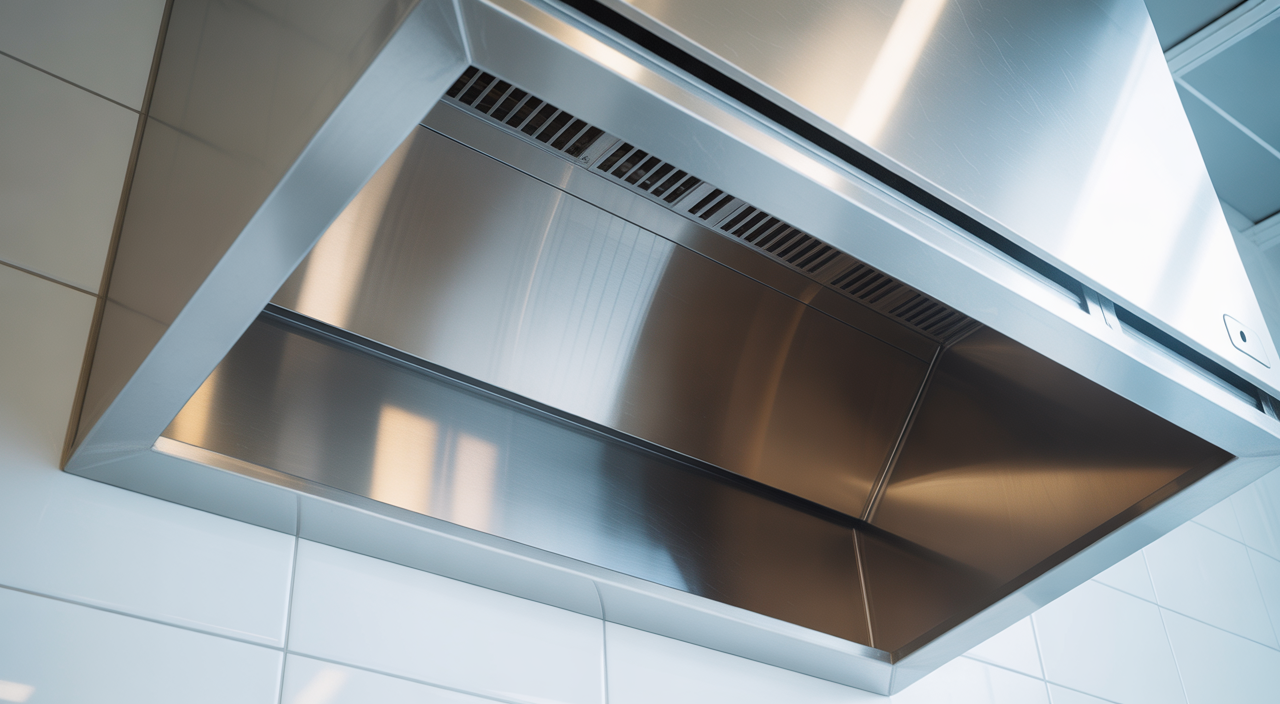
Understanding the “Why”: More Than Just Cleanliness
Keeping your kitchen exhaust system clean is far more important than just making things look good. It directly impacts safety, legal compliance, and your business’s overall health. Ignoring it can lead to severe consequences, from costly fines to devastating fires.
NFPA 96: Your Commercial Kitchen’s Mandate
Every commercial kitchen must follow certain rules. One of the most important is NFPA 96. This stands for the National Fire Protection Association Standard 99. It sets the guidelines for fire prevention in commercial cooking operations.
NFPA 96 tells you how often your kitchen exhaust system needs cleaning. It also outlines the correct way to clean it. Following these standards is not optional; it’s a legal requirement in many places. Local fire marshals and health departments use NFPA 96 as their guide during inspections. Failure to comply can result in heavy fines, forced shutdowns, or even the loss of your business license. Your insurance company will also look for NFPA 96 compliance. They want to know you’re taking all necessary steps to prevent fires. If a fire occurs and you weren’t compliant, your claim might be denied.
Beyond Compliance: The Operational Benefits of a Clean System
A clean kitchen exhaust system offers many benefits beyond just meeting safety codes. These advantages can significantly improve your daily operations and bottom line.
- Improved Fire Safety: This is the biggest benefit. Grease buildup is a major fire hazard. A clean system means greatly reduced risk of a devastating grease fire.
- Enhanced Air Quality & Employee Comfort: When exhaust systems are clogged, they can’t remove smoke and odors effectively. This leads to poor air quality in the kitchen, making it uncomfortable and unhealthy for staff. A clean system improves ventilation, keeping your kitchen fresher.
- Extended Equipment Lifespan & Reduced Maintenance Costs: Dirty fans and ducts work harder to pull air. This extra strain wears them out faster. Regular cleaning helps your expensive kitchen equipment last longer and reduces the need for frequent repairs.
- Energy Efficiency & Lower Utility Bills: A well-maintained and clean exhaust system operates more efficiently. It doesn’t need to work as hard to do its job. This can lead to lower energy consumption and noticeable savings on your utility bills.
What a Professional Commercial Kitchen Hood Cleaning Entails
A professional cleaning service does much more than just wipe down surfaces. They tackle the entire exhaust system, ensuring every part is free of grease. This detailed process is essential for true safety and compliance.
The Anatomy of Your Kitchen Exhaust System
To understand the cleaning process, it helps to know the main parts of your exhaust system. These components work together to remove smoke, heat, and grease from your cooking area.
- Hood Canopy & Filters: This is the visible part above your cooking equipment. Filters trap a lot of the initial grease and debris.
- Ducts/Ventilation System: These are the hidden pathways that carry smoke and grease-laden air from the hood up to the outside. Grease can build up heavily inside these ducts, creating a significant fire risk.
- Exhaust Fan/Motor: Located on the roof or outside wall, this fan pulls air through the entire system. A dirty fan can be inefficient and a fire hazard itself.
Our Comprehensive Cleaning Process: What to Expect
A professional cleaning company follows a thorough, multi-step process. This ensures every part of your system is cleaned to industry standards. They aim for minimal disruption to your business.
First, technicians perform an initial inspection and assessment. They check the entire system for grease buildup and any potential issues. Then, they begin preparation and protection. This means covering your kitchen equipment and floors to prevent damage from chemicals and water.
Next comes the deep cleaning techniques. This involves scraping away heavy grease deposits. Powerful degreasing agents are applied. Then, high-pressure washing is used to remove all remaining contaminants. This includes the hood, filters, ducts, and exhaust fan. Finally, a final inspection and certification is completed. This ensures the system is thoroughly clean and ready for operation. You receive documentation proving your compliance.
How Often is “Often Enough”? Setting Your Cleaning Schedule
The frequency of cleaning is a common question for kitchen managers. It’s crucial to get this right to stay safe and compliant. The answer depends on several factors.
NFPA 96 Frequency Guidelines
NFPA 96 provides clear guidelines for how often your commercial kitchen hood cleaning should happen. These are based on the type and volume of cooking you do.
- Monthly: For solid fuel cooking operations, like wood-burning or charcoal grills.
- Quarterly: For high-volume cooking operations, such as 24-hour restaurants, charbroilers, or wok cooking.
- Semi-Annually: For moderate-volume cooking operations. This might include restaurants with moderate output or schools.
- Annually: For low-volume operations, such as churches, seasonal businesses, or elderly care facilities.
Factors Influencing Your Cleaning Frequency
While NFPA 96 offers a good starting point, other factors can influence your specific needs. It’s wise to discuss these with a professional cleaner.
Consider the volume of cooking your kitchen handles daily. A busy diner open all day will need more frequent cleaning than a café that only serves lunch. The type of cuisine also plays a big role. Frying and grilling create much more grease buildup than baking or boiling. Lastly, the age and condition of your equipment can matter. Older systems might accumulate grease faster or have less efficient components.
The Dangers of DIY: Why Professional Expertise is Crucial
Some business owners might consider cleaning their kitchen hoods themselves. This is a risky and often ineffective approach for commercial settings. Trying to do it yourself can lead to serious problems.
The risks of improper cleaning are significant. If grease isn’t removed completely, it remains a fire hazard. DIY cleaning often misses hard-to-reach areas within the ducts. This leaves dangerous flammable residue behind. Moreover, you could damage the exhaust system components without the right knowledge.
Professional commercial kitchen hood cleaning requires specialized tools and expertise. Technicians use industrial-grade degreasers and high-pressure washers. They have the right safety equipment and training to access all parts of the system. Most importantly, only certified professionals can ensure full compliance with NFPA 96 and local codes. They provide the necessary documentation that authorities require. For a thriving business, understanding what is the key to a healthy lifestyle for your operations means prioritizing professional maintenance.
Choosing the Right Commercial Hood Cleaning Service
Selecting a professional service for your kitchen is a big decision. You need a company you can trust. Asking the right questions helps you make the best choice.
Key Questions to Ask Potential Providers
When evaluating potential services, be sure to ask about these critical areas:
- Certifications & Training: Are their technicians certified by industry associations? This shows they meet high standards.
- Insurance & Licensing: Do they have proper insurance and licenses? This protects your business if anything goes wrong during cleaning.
- Comprehensive Service vs. Partial Cleaning: Ensure they clean the *entire* exhaust system, including the hood, ducts, and fan, not just the visible parts.
- References & Testimonials: Ask for references or look for reviews from other commercial kitchen owners.
Choose a service that emphasizes thoroughness and compliance. They should understand your specific needs and local regulations. A professional service helps streamline your operations, much like maximizing efficiency with proper planning in any other business area.
Conclusion: Invest in Safety, Invest in Your Business
Regular commercial kitchen hood cleaning is an essential part of running a successful and safe food service business. It goes beyond mere aesthetics. It’s a critical investment in fire prevention, regulatory compliance, and the long-term health of your operations.
By ensuring your exhaust system is thoroughly cleaned by professionals, you protect your property. You safeguard your employees and customers. You also avoid costly penalties and potential shutdowns. Prioritize this vital service to maintain a clean, efficient, and safe kitchen environment. It ensures peace of mind and allows you to focus on what you do best: serving delicious food.
Frequently Asked Questions (FAQs)
Got more questions about keeping your commercial kitchen’s exhaust system clean? Here are some common inquiries and their answers.
- How long does the cleaning process take?
The duration varies. It depends on the size of your exhaust system and how much grease has built up. A typical cleaning can take anywhere from 3 to 8 hours. Larger or heavily soiled systems might take longer. Services often schedule cleanings during off-peak hours to minimize disruption. - Do I need to be present during the cleaning?
While you don’t need to be present for the entire cleaning, it’s often helpful to have someone on-site at the beginning and end. This allows for clear communication about access, special instructions, and to review the completed work. - What do I need to do to prepare my kitchen?
You usually just need to turn off all cooking equipment and clear the areas directly under and around the hood. Most professional services will handle covering your equipment and floors. They also protect your cooking surfaces before starting the cleaning process. - What kind of report or certification do I receive after cleaning?
A reputable cleaning company will provide a detailed service report. This report outlines the work performed and confirms compliance with NFPA 96. It’s often accompanied by a sticker or tag on the hood. This tag indicates the cleaning date and when the next service is due. Keep this documentation for fire and health inspections.

Marin Hùng, a passionate advocate for holistic well-being, is the driving force behind our health-focused platform. With a deep-rooted commitment to promoting a balanced and vibrant lifestyle, Marin brings a wealth of knowledge and experience to our health community. As a dedicated writer and wellness enthusiast, Marin’s insightful articles and expertise are at the heart of our mission to inspire healthier living.













Post Comment