
Pediatric ABA Therapy in North Carolina: Early Learning to Ready-for-School
What is pediatric ABA therapy and how does it help children in North Carolina?
Pediatric ABA therapy is a structured way of teaching skills to children using small, clear steps and positive rewards. ABA stands for Applied Behavior Analysis, a science-backed approach often used to support children with autism and other developmental needs. When families look for pediatric aba therapy north carolina, they usually want a caring local team, strong communication, and clear progress for their child.
In North Carolina, many parents seek early help when they notice delays in speech, play, or social skills. With the right ABA program, children can build independence, learn to manage big emotions, and get ready for school. SunnySkies ABA focuses on exactly this journey, from Early Learning to school readiness.
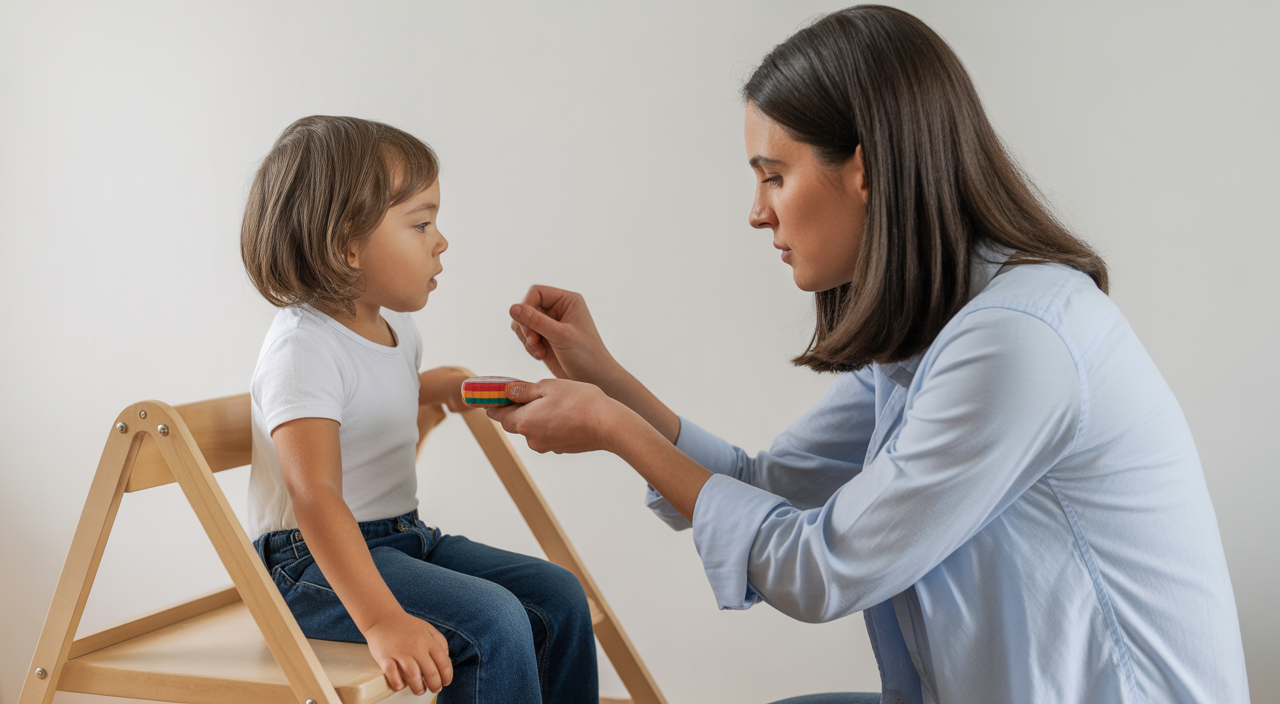
This guide walks you through how pediatric ABA therapy works in NC, what to expect from Early Learning and Ready-for-School services, and how to get started with confidence.
Understanding the ABA journey in North Carolina
Think of ABA as a learning pathway that grows with your child. It does not stay the same at age 2 and age 5. Goals, teaching style, and settings can change as your child grows, so they always get what they need at that stage.
In North Carolina, this often looks like two connected phases. First is Early Learning, focused on basic communication and daily skills. Then comes Ready-for-School, focused on classroom skills, group learning, and independence.
Early Learning ABA services in North Carolina
Early Learning ABA is usually for toddlers and preschool-age children, often between 2 and 4 years old. At this age, the focus is on building a strong base of skills. These include eye contact, following simple directions, making requests, and playing with others.
Therapists break each big skill into smaller steps. For example, “asking for water” may be broken into looking at the caregiver, pointing or signing, and then using a word or picture. Each step is rewarded with praise, access to a favorite toy, or another motivator that matters to your child.
Family coaching is a key part of Early Learning ABA in NC. Parents are guided on how to turn daily routines into learning moments, such as mealtime, bath time, and bedtime. This helps children practice new skills all day, not just during therapy hours.
From Early Learning to Ready-for-School
As your child progresses, the focus naturally shifts from basic communication and play to skills needed in a classroom. This is where Ready-for-School services come in. These programs build on the foundation from Early Learning and prepare your child for pre-K or kindergarten.
In Ready-for-School ABA, children practice sitting for short group lessons, taking turns, sharing materials, and following a simple classroom routine. They may work on early academics like colors, shapes, letters, and numbers, but always at a pace and style that fits their learning profile.
Many providers in NC also coordinate with schools. They may share progress summaries, attend meetings, or suggest strategies that help your child succeed when they join a real classroom.
How to get started with pediatric ABA therapy in North Carolina
Beginning ABA services can feel like a big step, but the process is usually straightforward. Most families start with a phone call or online contact form. You will share basic details about your child, current diagnoses, and any concerns you have.
The next step is an assessment by a Board Certified Behavior Analyst (BCBA). This is a specialist trained in Applied Behavior Analysis who will meet your child, observe behavior, and ask about your goals. From there, the BCBA writes a personalized treatment plan, including how many hours per week your child may benefit from.
In North Carolina, ABA can be provided in several settings. Some families prefer in-home sessions for comfort and convenience. Others choose a clinic setting, where children can practice group skills and routines. Telehealth may also be an option for parent training or certain parts of the program.
Paying for ABA therapy in NC
Cost is a common concern for parents exploring pediatric ABA therapy in North Carolina. The good news is that there are several possible funding paths. Many private insurance plans now cover ABA services for children with an autism diagnosis, subject to policy rules.
Some children may qualify for coverage through state-funded programs or Medicaid, depending on factors such as age, diagnosis, and family income. It is helpful to speak to the ABA provider’s billing team, who can check your benefits and explain any co-pays or out-of-pocket costs before you begin.
Families who want to understand the broader link between mental health and daily life can also explore resources like this guide on the benefits of better mental health, which highlights why early support matters so much.
What progress can families expect?
Every child is unique, so progress looks different from one family to another. However, many North Carolina parents report steady improvements when ABA plans are followed consistently. These may include more frequent eye contact, new words or signs, smoother daily routines, and fewer meltdowns.
Providers often use clear, simple data charts to track progress week by week. This helps you see exactly which skills are growing and which areas may need a new strategy. Over time, the aim is to move from one-to-one support to more group learning and increased independence.
Many families also notice a boost in their own confidence. With coaching, parents and caregivers learn how to respond to challenging behavior calmly and effectively, which brings more peace to daily life.
Choosing the right pediatric ABA provider in North Carolina
When you compare providers, a few questions can help you find the right fit. Ask who will design and supervise your child’s program and whether they are a BCBA licensed to practice in North Carolina. Check how often they review data and update goals.
It is also helpful to ask how they involve parents in sessions and decision-making. A strong provider will welcome your questions, respect your family values, and explain therapy steps in simple language. You can also ask about their experience supporting school transitions and working with local teachers.
For families who value overall wellness, you might also find it useful to read about keys to a healthy lifestyle, since many of the same ideas about routine, balance, and support apply to children receiving ABA.
Why pediatric ABA therapy in North Carolina is a strong choice
Choosing pediatric ABA therapy in North Carolina means choosing a structured, proven way to help your child grow. With Early Learning services, your child starts building core communication and play skills. With Ready-for-School support, they gain the confidence and routines needed to join a classroom.
When these services are delivered by a caring, local team, the result can be a smoother, happier path from toddler years to school age. For many families, pediatric ABA therapy north carolina becomes not just a service, but a partnership focused on long-term success.
FAQs about pediatric ABA therapy in North Carolina
Q1. How much does pediatric ABA therapy cost in NC?
The cost depends on how many hours of therapy your child receives each week and the funding source. Many families use private insurance or Medicaid to cover most of the cost, with co-pays or deductibles where applicable. Before starting, the provider’s team can check your benefits and give you a clear estimate so there are no surprises.
Q2. Does my child need an autism diagnosis to start ABA in North Carolina?
Most insurance plans require an official autism diagnosis to approve ABA coverage. However, some families choose to begin private-pay services while they wait for a full evaluation. It is best to talk with both your pediatrician and the ABA provider to understand your options.
Q3. Is ABA therapy only for very young children?
No. While early intervention is powerful, ABA strategies can help children and teens as well. Goals may shift from basic communication to life skills, social skills, or school success. Providers will adjust the program to match your child’s age, strengths, and needs.
Q4. How long will my child need ABA therapy?
The length of therapy varies from child to child. Some families see major gains within a year, while others choose to stay in services for several years with changing goals. Regular reviews with your BCBA will help you decide when to reduce hours, change focus, or transition out of services.
Marin Hùng, a passionate advocate for holistic well-being, is the driving force behind our health-focused platform. With a deep-rooted commitment to promoting a balanced and vibrant lifestyle, Marin brings a wealth of knowledge and experience to our health community. As a dedicated writer and wellness enthusiast, Marin’s insightful articles and expertise are at the heart of our mission to inspire healthier living.














Post Comment