Free Sale Certificate India: Your Comprehensive Guide to Medical Device Compliance & Registration
Are you looking to introduce a medical device into the vibrant Indian market or export your innovative products from India? Understanding local regulations is key to success. One critical document you will encounter is the Free Sale Certificate (FSC). This certificate plays a huge role in ensuring market access and regulatory compliance.A Free Sale Certificate is essentially a declaration. It confirms that a specific medical device is freely sold in its country of origin. This means it has met all the necessary regulatory requirements in that market. For anyone dealing with medical devices in India, navigating the intricacies of this certificate, especially the free sale certificate india requirements, is essential for smooth operations.
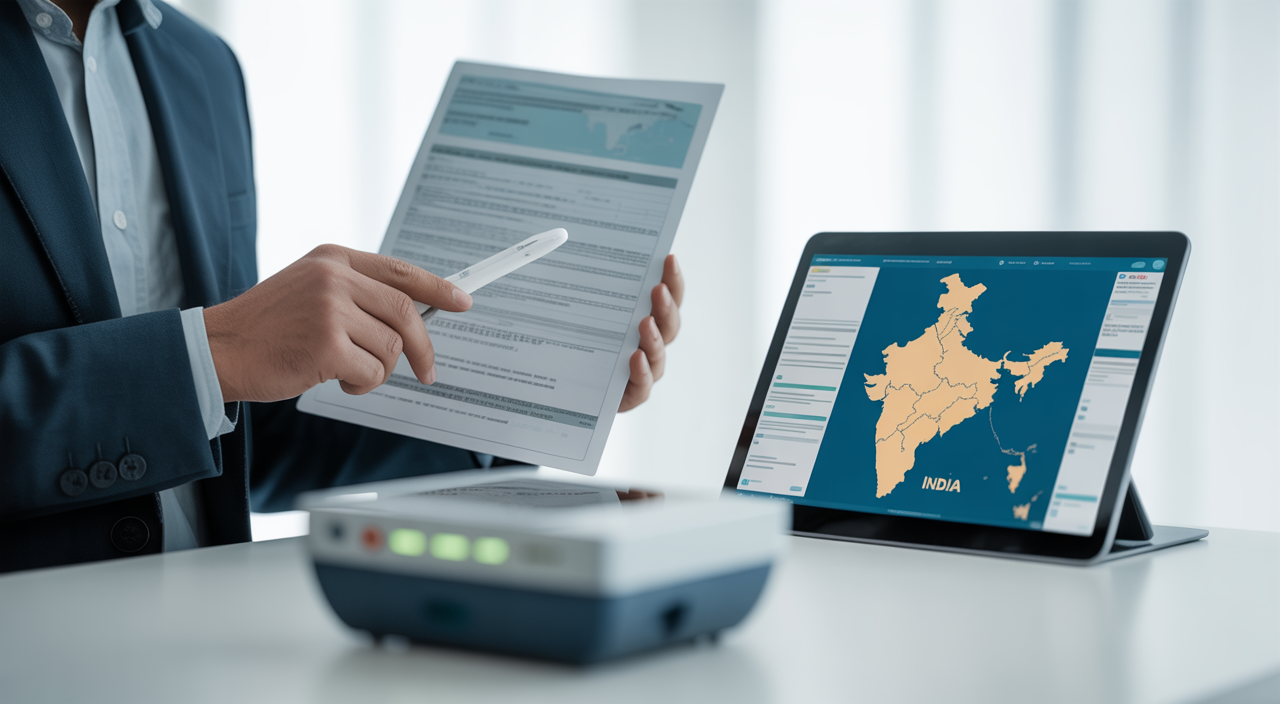
This guide will walk you through everything you need to know about the Free Sale Certificate in India. We will cover its importance, required documents, the application process, and common pitfalls to avoid. Our goal is to make the complex world of medical device regulations simple for you.
Why the Free Sale Certificate India is Crucial for India’s Medical Device Sector
The Free Sale Certificate is more than just a piece of paper. It is a cornerstone of trust and safety in the global medical device trade. For India, the Free Sale Certificate India serves a dual purpose.
Importance for Foreign Manufacturers (Import into India):
When a foreign company wants to sell its medical device in India, the Central Drugs Standard Control Organisation (CDSCO) requires an FSC. This document proves that the device is already approved and sold in the manufacturer’s home country. It acts as an assurance of the device’s quality, safety, and performance. Without a valid FSC, your application for an import license in India will likely face rejection. It’s a foundational step for successful market entry.
Importance for Indian Manufacturers (Export from India):
Indian medical device manufacturers also need an FSC if they plan to export their products. Many countries worldwide demand an FSC from the exporting nation. This confirms that the device meets Indian regulatory standards and is available for sale within India. Obtaining an FSC from CDSCO helps Indian products gain international acceptance. It simplifies their entry into foreign markets.
Essential Documents & Prerequisites for Your Free Sale Certificate
Getting your Free Sale Certificate right involves careful preparation. The specific documents needed depend on whether you are importing into India or exporting from India.
For Foreign Manufacturers (FSC from Country of Origin for Indian Registration):
- Authentic FSC: This must be issued by the National Regulatory Authority (NRA) of your device’s country of origin.
- Specific Content: Ensure your FSC clearly states the manufacturer’s name and address. It must list the device name, model, and classification. It should also confirm that the device is freely sold in your country.
- Attestation/Legalization: Often, the FSC needs to be attested. This can be through an Apostille or Embassy legalization, depending on your country and India’s requirements.
- Proof of Manufacturing Site Registration: You will need documents showing your manufacturing site is registered in your home country.
- Role of the Authorized Indian Representative (AIR): For foreign manufacturers, appointing an AIR is mandatory. Your AIR must hold a valid Drug Wholesale License (Form 20B/21B or 20BB/21BB). The AIR acts as the local contact for CDSCO. They also handle post-market surveillance and vigilance activities.
For Indian Manufacturers (FSC from CDSCO for Export):
- Application Form: You will submit a specific application to CDSCO for FSC issuance.
- Valid Manufacturing License: This means having Form MD-5 for Class A/B medical devices or Form MD-9 for Class C/D devices.
- Product Details: Provide comprehensive information about your medical device. This includes its name, classification, and intended use.
- Proof of Quality Systems: Demonstrate compliance with Good Manufacturing Practices (GMP) and a robust Quality Management System (QMS). An ISO 13485 certification is often crucial here.
- Self-Declaration: A declaration confirming the device is freely sold and used in India.
Validity: Understanding the Lifespan of Your Free Sale Certificate
The validity period of an FSC is important. It ensures that the information remains current and relevant.
Validity of the FSC itself:
The Free Sale Certificate usually has an expiry date mentioned on it. This is typically between one to three years. CDSCO generally accepts FSCs that are valid at the time you submit your application. Always check this date carefully before submission.
Important Regulatory Note on Licenses:
It is crucial to understand that CDSCO licenses for medical devices are perpetual. This means they do not have an expiry date in the traditional sense. However, you must pay retention fees every five years to keep the license active. Failing to pay these fees can lead to the suspension or even cancellation of your license. This is a critical aspect of ongoing regulatory compliance in India.
Process: A Step-by-Step Guide to Navigating FSC in India
The process of handling the Free Sale Certificate in India varies based on your role. Let’s break it down into two main scenarios.
A. For Foreign Manufacturers (Integrating FSC into Indian Registration):
- Step 1: Appoint an Authorized Indian Representative (AIR): This is your first crucial step. Ensure your chosen AIR has the necessary Drug Wholesale License.
- Step 2: Device Classification: Understand your device’s risk class. Medical devices in India are generally classified based on risk, for example, many devices fall under Class B as per CDSCO guidelines.
- Step 3: Prepare Documentation: Gather all required documents. This includes the authentic and legalized FSC from your country of origin.
- Step 4: Online Application Submission: Submit your application through the CDSCO online portal, known as SUGAM. You will typically use Form MD-14 for the import application. The license is granted on Form MD-15.
- Step 5: CDSCO Review & Queries: CDSCO will review your submission. Be prepared to address any questions or requests for more information regarding your FSC or other documents.
- Step 6: Import License Grant: Once CDSCO successfully reviews your application and all queries are resolved, your Import License will be granted.
B. For Indian Manufacturers (Obtaining FSC from CDSCO for Export):
- Step 1: Ensure Valid Manufacturing License: You need a current manufacturing license. This would be Form MD-3 or MD-5 for Class A/B devices, and Form MD-7 or MD-9 for Class C/D devices.
- Step 2: Prepare Export-Specific Documentation: Compile all necessary product details and quality proofs, as listed in the previous section.
- Step 3: Application to CDSCO: Submit your request to CDSCO through the designated application channel.
- Step 4: CDSCO Review: CDSCO will verify your manufacturing details and product information.
- Step 5: Issuance of FSC: Upon successful review, CDSCO will issue the Free Sale Certificate for your specified medical device and target export country.
Timelines: The entire process typically takes 3–6 months. However, this can vary. Factors like the completeness of your documentation, the number of queries from CDSCO, and the device’s risk class can extend these timelines. It’s wise to plan with a realistic outlook.
Common Mistakes to Avoid When Dealing with Free Sale Certificates
Navigating regulatory pathways can be tricky. Knowing common pitfalls can save you time and effort.
- Inaccurate or Incomplete FSC: Ensure all details on your FSC are correct and match other submitted documents. Small inconsistencies can cause delays.
- Expired or Invalid FSC: Always submit an FSC that is valid on the date of your application. An expired certificate will lead to rejection.
- Lack of Proper Attestation/Legalization: Missing an Apostille or required embassy legalization can halt your application. Verify these requirements for your country.
- Misunderstanding Device Classification: Incorrectly classifying your medical device means using the wrong application forms. This will inevitably cause significant delays.
- Weak AIR Support: An Authorized Indian Representative who is unqualified or unresponsive can severely impact your registration process. Choose your AIR carefully.
- Overlooking Retention Fees: Remember, even though licenses are perpetual, you must pay retention fees every five years. Forgetting this can lead to license suspension.
- Over-promising Internal Timelines: Be realistic about how long the application process might take. Unrealistic expectations can cause internal stress and missed deadlines.
What Happens If You Ignore Free Sale Certificate Requirements?
Ignoring regulatory requirements for medical devices carries serious consequences. These can severely impact your business operations.
The primary outcome is the rejection or significant delay of your application. This prevents your device from entering the Indian market. Beyond delays, you could face non-compliance penalties, including fines or legal actions under the Medical Device Rules, 2017. This also results in a complete market access blockage. You won’t be able to legally import or export your medical devices to or from India. Furthermore, it can lead to severe reputational damage for your brand and substantial loss of revenue due to halted sales. Compliance is not just about avoiding penalties; it’s about building a sustainable and trusted business.
The Cost Involved: Breaking Down FSC-Related Expenses
Understanding the financial aspects is crucial for planning your budget. Several costs are associated with securing and maintaining your Free Sale Certificate and overall device registration.
- Official CDSCO Fees: There are specific application fees charged by CDSCO for various processes, including potentially for FSC issuance or processing your import license.
- Regulatory Agent/Consulting Fees: Many manufacturers choose to work with expert consultants. Their fees cover assistance with document preparation, application submission, and follow-up with CDSCO.
- Legalization/Attestation Costs: Fees for notarization, Apostille services, or Embassy legalization of your foreign FSCs can add up.
- AIR Service Fees: Appointing and retaining a qualified Authorized Indian Representative involves ongoing service fees.
- Retention Fees: Don’t forget the mandatory retention fees for your perpetual CDSCO licenses, payable every five years.
How We Can Help You Navigate the Free Sale Certificate Process in India
Navigating the complex landscape of medical device regulations in India can be challenging. We specialize in simplifying this journey for manufacturers worldwide. Our team provides expert assistance to ensure your medical device registration and Free Sale Certificate processes are smooth and compliant.We offer:
- Expert Guidance: Clear advice on the specific documentation required for your country’s FSC to be accepted in India.
- AIR Services: We provide a highly qualified and compliant Authorized Indian Representative, holding all necessary licenses.
- Application Preparation & Submission: Comprehensive support with preparing and submitting forms like MD-14, MD-15, and other essential documents.
- Query Management: Proactive handling and resolution of any queries or requests from CDSCO regarding your FSC and overall application.
- Regulatory Updates: Keeping you informed about the latest changes in Free Sale Certificate requirements and other medical device regulations.
- Ensuring Compliance: We help you understand and adhere to critical standards. These include ISO 13485 for Quality Management Systems, ISO 14971 for Risk Management, IEC 60601 for Electrical Safety, and IEC 62304 for Software Lifecycle processes, where relevant to your device.
Partnering with us means gaining a trusted ally dedicated to your success in the Indian market. Learn more about how we can support your Free Sale Certificate needs by contacting us today.
Conclusion: Streamlining Your Path to Indian Medical Device Market Entry
The free sale certificate india is undeniably a vital document for any medical device company. Whether you are importing into India or exporting from it, a clear understanding and correct handling of this certificate are paramount. It ensures compliance, avoids delays, and builds trust in the quality of your products.By meticulously preparing your documents and understanding the regulatory process, you can navigate India’s medical device market with confidence. Seeking expert guidance can significantly streamline this path. It allows you to focus on your core business while we handle the regulatory complexities. Make sure your journey into this dynamic market is as efficient and compliant as possible.
Frequently Asked Questions (FAQs)
Q1: What is a Free Sale Certificate India (FSC) for medical devices?
A Free Sale Certificate (FSC) is an official document. It confirms that a medical device is legally manufactured and sold in its country of origin. For India, the Free Sale Certificate India (FSC) is a key requirement for both foreign manufacturers importing devices and Indian manufacturers exporting them. It assures regulatory bodies of the device’s safety and quality standards.
Q2: Is a Free Sale Certificate mandatory for importing medical devices into India?
Yes, it is absolutely mandatory. For foreign manufacturers, a valid and properly attested Free Sale Certificate from the country of origin is a prerequisite. It must be submitted to CDSCO as part of the application for an import license for medical devices in India.
Q3: Who issues the Free Sale Certificate for medical devices manufactured in India for export?
For medical devices manufactured in India and intended for export, the Free Sale Certificate is issued by the Central Drugs Standard Control Organisation (CDSCO), which is India’s national regulatory body. Indian manufacturers apply to CDSCO to obtain this certificate.
Q4: How long is an FSC typically valid for submission to CDSCO?
The validity period for an FSC is usually specified on the certificate itself, often ranging from one to three years. CDSCO will accept an FSC as long as it is valid at the time you submit your medical device registration application.
Marin Hùng, a passionate advocate for holistic well-being, is the driving force behind our health-focused platform. With a deep-rooted commitment to promoting a balanced and vibrant lifestyle, Marin brings a wealth of knowledge and experience to our health community. As a dedicated writer and wellness enthusiast, Marin’s insightful articles and expertise are at the heart of our mission to inspire healthier living.













Post Comment