Canal Dredging: A Comprehensive Guide for Efficient Waterway Maintenance
Ever wondered how those vital waterways stay clear and functional? Canals are essential for transportation, irrigation, and flood control. But over time, sediment builds up, hindering their functionality. We understand that this can be a real challenge for municipalities and private owners alike. That’s where canal dredge comes in – it’s the process of removing debris and sediment to restore a canal’s original depth and capacity.
Whether you’re a local municipality or a private canal owner, understanding **canal dredge** operations is crucial. In this guide, we’ll explore its importance, methods, equipment, and environmental considerations, especially for those in India looking for effective waterway solutions. We’ll help you navigate the complexities and find the best approach for your project.
You know canal maintenance is essential for ensuring efficient water flow and preventing potential hazards. This often involves specialized equipment designed for the unique challenges of canal environments, ensuring your waterways remain safe and functional.
Why is Canal Dredging Important?
So, why is this process so vital for your waterways? Let’s dive into the key benefits:
Improved Navigation: Dredging ensures boats and ships can navigate canals safely and efficiently. This is vital for commercial activities and transportation.
Flood Control: Removing sediment increases the canal’s capacity to hold water, reducing the risk of flooding during heavy rains.
Environmental Benefits: Dredging can remove pollutants and contaminants from the canal, improving water quality and supporting aquatic life. It’s truly a win-win for both your waterways and the ecosystem. Sometimes, environmental dredging techniques are needed when removing contaminated sediments.
Property Value Enhancement: A well-maintained canal improves the aesthetic appeal of surrounding properties, potentially increasing their value.
Common Challenges in Canal Dredging
Dealing with these obstacles can be a headache, right? Let’s consider what you might face:
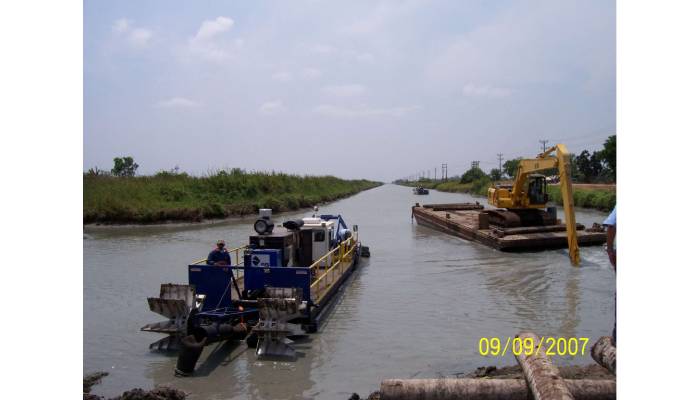
Limited Access: Canals often have narrow passages and restricted access points, making it difficult to maneuver large equipment.
Environmental Sensitivity: Canals are often located in or near sensitive ecosystems, requiring careful dredging practices to minimize environmental impact.
Residential Proximity: Canals can run close to residential areas, so noise and disruption must be minimized during dredging operations.
Cost Considerations: We understand that dredging can be expensive, so it’s important to find cost-effective solutions that meet your needs and budget. We’re here to help you navigate those financial decisions.
Different Canal Dredging Methods
Mechanical Dredging: This method involves using excavators, clamshells, or other mechanical equipment to remove sediment. It’s often used for smaller projects or in areas with limited access.
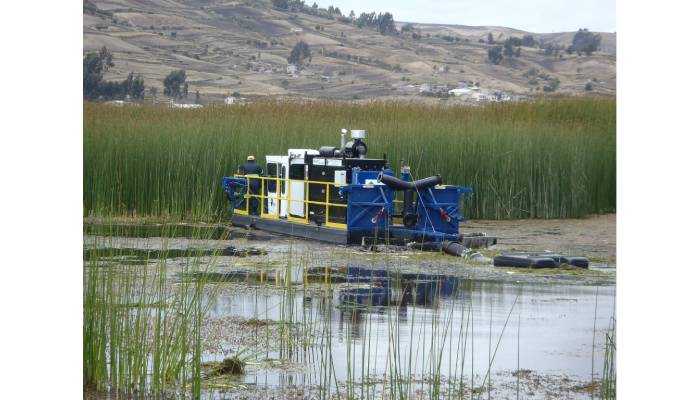
Hydraulic Dredging: This method uses a dredge to suck up sediment and pump it to a disposal site. It’s efficient for larger projects and can remove large volumes of sediment.
Environmental Dredging: Specialized techniques are used to remove contaminated sediments safely and prevent further pollution.
Choosing the Right Dredge for Your Project
Selecting the appropriate **canal dredge** depends on several factors, including your canal’s size, sediment type, and local environmental regulations. What kind of dredge will work best for you? Consider these options:
- Small/Mini Dredges: Ideal for narrow canals and smaller projects.
- Cutter Suction Dredges: Efficient for removing large volumes of sediment.
- Auger Dredges: Suitable for precise dredging and environmentally sensitive areas.
Careful planning and the right equipment are essential for successful dredging projects. If you’re ready to start your next project, explore essential river dredging equipment for clearer waterways.
Environmental Considerations
When planning a **canal dredge** project, it’s crucial to minimize environmental impact. We always recommend obtaining necessary permits, rigorously testing sediment for contaminants, and using best management practices (BMPs) to prevent pollution. This ensures a sustainable and responsible approach.
Costs and ROI of Canal Dredging
Dredging costs vary depending on the project’s size, the type of dredge used, and the disposal method. However, the long-term benefits, such as flood prevention and improved navigation, often outweigh the initial investment.
Case Studies: Successful Canal Dredging Projects
Real-world examples really highlight the benefits of effective **canal dredge** operations. For instance, imagine a municipality facing severe siltation in their irrigation network; they successfully used advanced techniques, restoring water flow and boosting agricultural output. Another project tackled contaminated sediment near a residential area, utilizing specialized environmental dredging to improve water quality and protect local ecosystems. These stories showcase the challenges, solutions, and positive outcomes possible with the right approach.
How to Find a Reputable Contractor
When hiring a dredging contractor, look for qualifications, experience, a strong safety record, and compliance with environmental regulations. Check references and ensure they have a proven track record of successful projects.
Conclusion
**Canal dredge** operations are essential for maintaining the functionality and long-term benefits of our waterways. By truly understanding the importance, methods, equipment, and environmental considerations, you’re empowered to ensure your canal remains a valuable asset for years to come. Isn’t that what we all want for our vital water infrastructure?
FAQs About Canal Dredging
Q: How often should a canal be dredged?
A: The frequency depends on factors like sediment accumulation rates and canal usage. Regular inspections can help determine the optimal dredging schedule.
Q: What are the environmental regulations for canal dredging in India?
A: Environmental regulations vary by region. Consult with local authorities and environmental experts to ensure compliance with all applicable laws and guidelines.

Marin Hùng, a passionate advocate for holistic well-being, is the driving force behind our health-focused platform. With a deep-rooted commitment to promoting a balanced and vibrant lifestyle, Marin brings a wealth of knowledge and experience to our health community. As a dedicated writer and wellness enthusiast, Marin’s insightful articles and expertise are at the heart of our mission to inspire healthier living.














Post Comment