
What Is Telehealth Peer Support And How Can It Help Young People In NYC?
Is your child or teen feeling alone with stress, anxiety, or big life changes? Many families in New York are turning to telehealth peer support to give their kids a safe, friendly place to talk, right from home. It blends the comfort of talking to people their own age with the safety of a clinically supervised program.
This kind of online support is especially helpful for ages 9 to 21. School pressure, social media, exams, and friendships can feel intense, and young people often open up more easily to someone who “gets it.” Telehealth makes it simple to join a group or session from any of the five NYC boroughs.
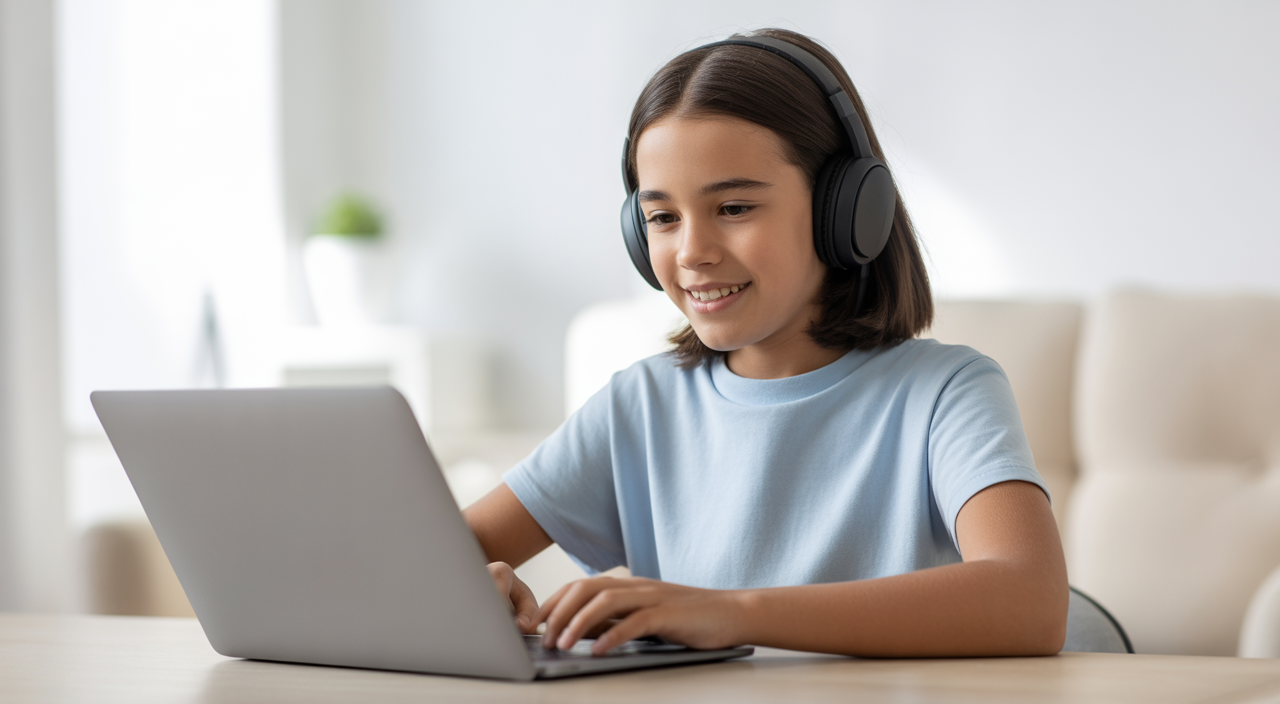
Below, you will learn what telehealth peer support is, how it works, who it is for, and how your family can start using it within days.
What Exactly Is Telehealth Peer Support?
Telehealth peer support is emotional and practical support offered online by trained peers who have faced similar mental health or life challenges. “Telehealth” means it happens over secure video or phone instead of in a clinic. “Peer support” means your child connects with people close to their age who understand what they are going through.
In many programs, groups are guided by trained peer specialists and supervised by licensed clinicians. This gives the warmth of a friendly chat and the safety of professional oversight at the same time.
Telehealth peer support is not a replacement for therapy when medical treatment is needed. It works best as a powerful partner to therapy, giving extra community, motivation, and real-world coping skills.
How Is It Different From Traditional Therapy?
Traditional therapy is usually one-on-one with a licensed therapist. The focus is deep clinical work, diagnosis, and treatment. Sessions often happen weekly and follow a structured plan.
Telehealth peer support focuses on connection and shared experience. Young people talk about what is happening in their lives, how they feel, and how they cope. They learn from each other’s stories and practice new skills together in a relaxed, respectful space.
Many families choose both. Therapy offers clinical care, while peer groups offer daily-life support, encouragement, and a sense of “I am not the only one.”
Age-Specific Support For 9–21 Year Olds
Children, teens, and young adults all have different needs. Strong programs usually create separate groups by age so conversations feel right and relevant.
- Ages 9–12: Focus on feelings, school stress, bullying, family changes, and building basic coping skills through simple activities.
- Ages 13–17: Topics often include anxiety, mood swings, body image, relationships, social media pressure, and exam worries.
- Ages 18–21: Young adults talk about college, jobs, identity, independence, and planning for the future.
This age-specific setup helps each child or teen feel understood and safe to speak up.
Key Benefits For Children And Teens In NYC
Families across Brooklyn, Queens, Manhattan, the Bronx, and Staten Island are seeing clear benefits from online peer programs for youth.
- Less loneliness: Young people discover that others feel the same fears and worries, which lifts a huge emotional weight.
- Better coping skills: They learn simple tools like breathing exercises, journaling, or positive self-talk and hear how others use them in real life.
- More confidence: Speaking in a supportive group builds self-esteem and communication skills that help in school and at home.
- Easy access: No commuting, traffic, or long waiting rooms. Sessions fit more easily around school, tuition classes, and family routines.
Many programs track progress with short surveys. For example, some report that most participants feel calmer, more hopeful, and better able to handle stress after a set number of sessions.
Clinical Oversight Keeps It Safe
For parents, safety is the top concern. Telehealth peer support works best when it is part of a licensed mental health system. This means:
- Peer specialists are trained to listen and support, not to give medical advice.
- Licensed clinicians design the groups, supervise staff, and are available if serious concerns appear.
- Programs follow privacy laws and professional ethics to protect your child’s information.
This structure gives your family the best of both worlds: real understanding from peers and professional protection behind the scenes.
What Technology Do You Need?
Telehealth peer support does not require fancy technology. Most families already have what they need at home.
- A smartphone, tablet, or computer with a camera and microphone
- A stable internet connection
- A quiet, private corner where your child can talk comfortably
Before the first session, staff usually send a simple link and give guidance on how to join. Some even offer a short “tech check” call so you and your child can test video and audio calmly.
How To Get Started Step By Step
- Explore the program: Read about the service, age groups, and schedule. Make note of your child’s main concerns and goals.
- Book an intake call: During this call, you share your child’s age, challenges, and any current therapy. The team helps you choose the right group.
- Prepare your child: Explain that it is a small, friendly group of people their age, not a test or exam. They can just listen at first if they feel shy.
- Join the first session: Log in a few minutes early. Sit nearby for younger kids if that makes them feel safe.
- Review together: After the session, ask what they liked, what felt helpful, and what they want from future meetings.
If you want more general guidance on strengthening mental wellbeing, you can also read about the key benefits of better mental health habits for children and teens.
What Happens Inside A Typical Session?
While every program is unique, many sessions for youth follow a gentle structure so everyone knows what to expect.
- Quick check-in round where each person shares how they feel in a word or sentence
- Short skill or topic, such as dealing with exam stress or handling fights with friends
- Group sharing about how this topic shows up in their lives
- Practical tips from peers and the facilitator
- Relaxing close, such as a breathing exercise or gratitude moment
Participation is always by choice. Many young people start by listening and then slowly open up as they feel safe.
Supporting Overall Lifestyle And Mental Health
Peer groups are powerful, but they work even better when combined with healthy daily routines. Sleep, food, movement, and screen time all affect mood and focus.
To see how everyday habits shape mental wellbeing, you might find it useful to explore this guide on how your lifestyle choices impact mental health. Simple changes in routine can strengthen the progress your child makes in sessions.
Frequently Asked Questions
Is telehealth peer support safe and private for my child?
Yes. Quality programs use secure telehealth platforms and follow strict privacy rules. Group guidelines are clear: no recording, no sharing of personal details outside the group, and mutual respect for everyone. With clinician oversight, any risk is handled quickly and professionally.
Does my child need a diagnosis to join?
Not usually. Many children and teens join because they feel stressed, anxious, overwhelmed, or lonely, even without a formal diagnosis. Peer support is about understanding, skills, and connection, so it can help both those in therapy and those who are just starting to explore support options.
What if my teen does not want to talk?
That is completely fine in the beginning. Young people can simply listen, observe, and get used to the space. Over time, most feel more comfortable and begin to share at their own pace. The facilitator gently encourages, but never forces, anyone to speak.
Can telehealth peer support replace therapy?
No. It does not replace medical or psychological treatment. It complements it. Peer sessions are great for everyday encouragement, building resilience, and learning from others. For serious symptoms or crises, therapy with a licensed professional remains essential, and both can work side by side for the best results.

Marin Hùng, a passionate advocate for holistic well-being, is the driving force behind our health-focused platform. With a deep-rooted commitment to promoting a balanced and vibrant lifestyle, Marin brings a wealth of knowledge and experience to our health community. As a dedicated writer and wellness enthusiast, Marin’s insightful articles and expertise are at the heart of our mission to inspire healthier living.













Post Comment