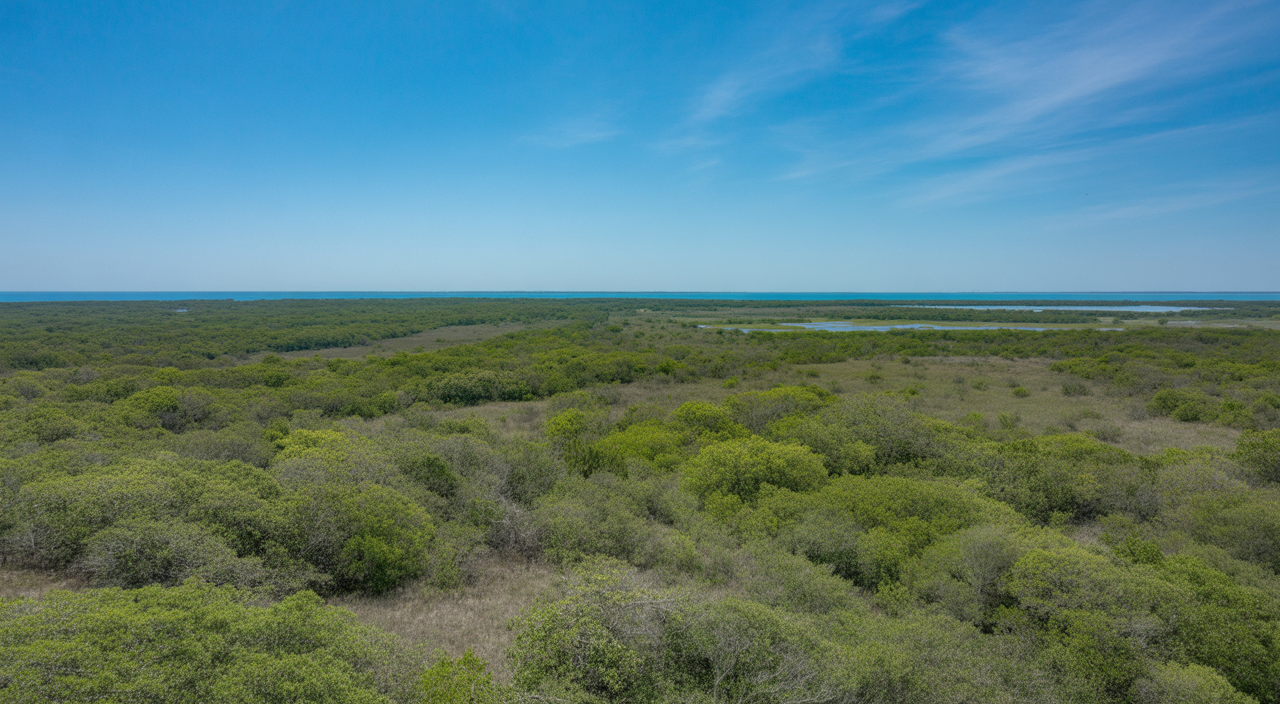
What Should Indian Investors Know Before Buying Florida Land for Sale?
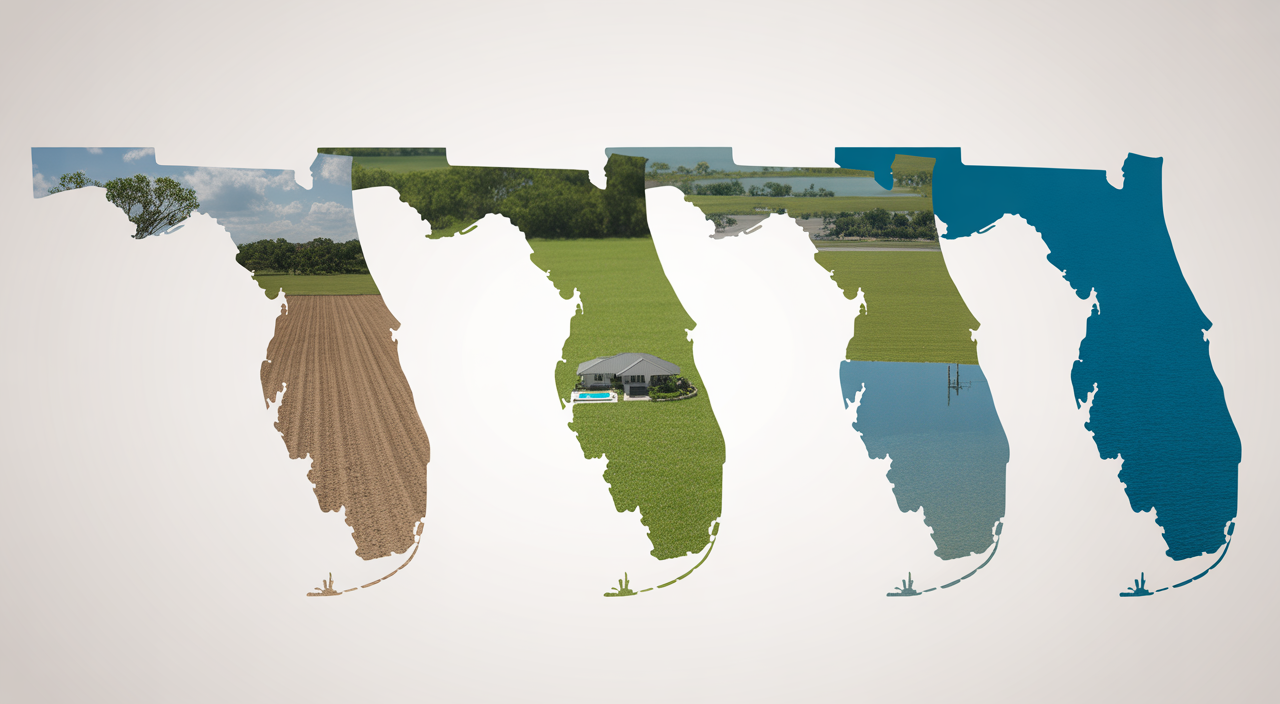
Thinking about investing in florida land for sale from India? You are not alone. Many Indian investors now look at the US, especially Florida, for long-term wealth, rental income, or a future retirement base. If you want a quick way to browse plots with clear prices and simple terms, check out florida land for sale listings that focus on easy, budget-friendly purchases.
This guide breaks the process into clear steps. You will learn why Florida is attractive, how to choose the right county, what extra costs to expect, and how to protect yourself legally as an overseas buyer.
Everything is explained in simple language so you can confidently move from “interested” to “ready to buy.”
Why Florida Land Is So Attractive for Indian Investors
Florida is one of the fastest-growing states in the US. Population growth, strong tourism, and steady demand for housing keep land values rising in many areas. This makes undeveloped land in Florida a solid long-term asset.
For Indian buyers, there are a few clear advantages:
- Warm climate all year: Ideal if you plan a holiday home or future retirement stay.
- No state income tax: This is good for investors planning rental income later.
- Diverse land options: From rural land in Florida’s interior to waterfront property near beaches and lakes.
- Entry-level prices: In some counties, you can still find cheap Florida land at prices lower than major Indian metros.
All this makes Florida land parcels an interesting addition to a globally diversified portfolio.
Types of Florida Land for Sale You Can Buy
Before you start shortlisting properties, decide what you really want the land to do for you. Different land types suit different goals.
- Vacant residential lots: These are small plots meant for building homes. Good if you plan a villa, holiday home, or future rental property.
- Agricultural and ranch land: Larger acreage for farming, grazing, or long-term land banking. Often cheaper per acre and suitable for investors who want rural property.
- Waterfront and recreational parcels: Plots near lakes, rivers, or the sea. These can be used for holiday cabins, fishing, or tourism-based rentals.
- Commercial development sites: More expensive, but can give high returns if located near growing towns or highways.
If your main goal is simple appreciation with low maintenance, undeveloped land away from major cities can be a smart, low-stress choice.
Which Parts of Florida Offer Good Value?
Florida is a big state, and prices vary a lot by region. Here is a simple way to think about it:
- North Florida: Areas like Suwannee, Levy, and Columbia counties often offer cheaper rural land. Good for long-term investors looking for acreage for sale with low entry cost.
- Central Florida: Counties such as Marion, Polk, and Lake balance price and growth potential. These are popular for residential lots and small farms.
- South and coastal Florida: Miami-Dade, Palm Beach, and coastal areas are more expensive, especially waterfront property. These suit higher budgets and investors focused on premium appreciation or luxury rental potential.
As an overseas investor, you may want to start in regions where property taxes are modest and rules are simpler, then move to premium locations once you gain comfort with the US system.
Key Costs Beyond the Land Price
When you look at listings for Florida vacant lots or rural land, the asking price is only one part of the story. Budget for these extra costs too:
- Property taxes: Paid yearly to the local county. Rates differ by area, but you can usually check them online for each parcel.
- Closing costs: These include title search, recording fees, and sometimes attorney or notary charges.
- Surveys and inspections: A land survey confirms boundaries. Environmental checks are helpful for low-lying or wetland areas.
- Utility connections: If the land is undeveloped, you may need to arrange water, electricity, and sewage when you decide to build.
As a simple thumb rule, keep 5–10% extra over the land price for these initial costs, depending on the size and type of property.
Step-by-Step Buying Process for Overseas Indians
The US land purchase process is structured and transparent, but it feels different from Indian property deals. Here is a simple overview:
- Shortlist properties: Use listing platforms that specialise in vacant land Florida and let you filter by price, county, and land use.
- Check zoning: Zoning rules say what you can build on the land. Confirm whether the plot is residential, agricultural, or commercial.
- Order a title search: This checks if the seller really owns the land and if there are any loans or disputes attached to it.
- Sign a purchase agreement: This written contract lists price, payment schedule, closing date, and any conditions.
- Make payment and close: Payment usually goes through a title company or attorney, who then records the deed in your name.
You do not need to visit the US for every step. Many overseas buyers complete the process remotely with proper digital documentation and identity verification.
Financing Options for Florida Land
Most Indian investors buy land in cash, especially when the price is modest. This keeps things simple and fast. However, some sellers and specialist platforms offer instalment plans.
Here are common options:
- Full cash payment: Best if you want a quick discount and no ongoing EMIs.
- Seller financing: The seller lets you pay in monthly instalments over a fixed term, often without strict credit checks.
- Loan from India: Some investors use personal loans or top-up loans on existing property in India to fund their US land purchase.
Before you commit, list your total cost in rupees and compare it against your Indian investments. This helps you see clearly if the move fits your risk and return expectations.
Practical Due-Diligence Tips
Good checks protect you from surprises and keep your florida land for sale deal safe and stress-free. Pay special attention to:
- Access roads: Ensure there is legal road access to the property, not just a track across someone else’s land.
- Flood and wetland status: Check flood maps and ask if any part of the plot is classified as wetland, as this can limit building.
- Local development plans: Areas planned for new roads, schools, or business parks often see stronger capital growth.
- Your own mental bandwidth: Overseas investing needs calm decision-making. If you feel rushed, take a pause and review your plans, much like you would when practicing better self-care as discussed in this guide on maintaining balance in a hectic life.
You can also study broader lifestyle and financial wellness ideas that support thoughtful, long-term choices by exploring articles like this one on why real estate investment in Florida is a smart choice.
How Indian Investors Can Use Florida Land Strategically
There is no single “best” way to use your plot. It depends on your timeline and comfort level.
- Long-term hold: Buy cheap land in a growing county and simply pay taxes while waiting for appreciation.
- Build later: Secure a good location now and plan construction once your children are older or you move closer to retirement.
- Resell to builders: In fast-growing regions, small investors often sell to local builders once demand picks up.
With a clear plan, Florida land can become a peaceful, steady-building part of your global wealth, without demanding daily attention.
FAQs About Buying Florida Land as an Indian Investor
Q1. Can a non-resident Indian legally own land in Florida?
Yes. US law allows foreign citizens to own land and property in Florida. You do not need a special visa just to buy land. However, tax rules on any future rental income or resale gains will apply, so it is wise to consult a tax expert who understands both Indian and US systems.
Q2. Do I need to travel to the US to complete the purchase?
No, travel is usually not required. Most steps, including property search, signing documents, and closing, can be handled online through email, secure portals, and video calls. You will need to share ID documents and sometimes get certain papers attested or notarised locally in India.
Q3. How can I reduce risk when buying cheap land in less developed areas?
Focus on clear title, proper road access, safe zoning, and reasonable distance to basic amenities like hospitals or towns. Check county growth trends and avoid plots with unclear boundaries or heavy restrictions. Start with a smaller investment, learn the process, and then scale up with confidence.

Marin Hùng, a passionate advocate for holistic well-being, is the driving force behind our health-focused platform. With a deep-rooted commitment to promoting a balanced and vibrant lifestyle, Marin brings a wealth of knowledge and experience to our health community. As a dedicated writer and wellness enthusiast, Marin’s insightful articles and expertise are at the heart of our mission to inspire healthier living.












Post Comment